
Thinking about leaving Delhi or Mumbai behind for the calm waters of Ha Long Bay? So are many others. Lately, more Indians have been choosing Vietnam drawn by old temples, tasty roadside meals, and views that stick in your mind. But before you sip broth from a steaming noodle bowl, something must be sorted first: the Tourist visa application India to Vietnam.
Great thing first getting a Vietnam visa for Indian travelers now takes less effort than before. Since 2026, the 90-day e-visa rule has been in place, so most people skip long embassy lines completely. Solo explorer or traveling with kids on a high-end trip, it makes little difference. This walkthrough covers each small step of applying, because confusion at borders rarely helps anyone. Slipping into the country known for its blue dragon feels almost quiet once the paperwork clears.
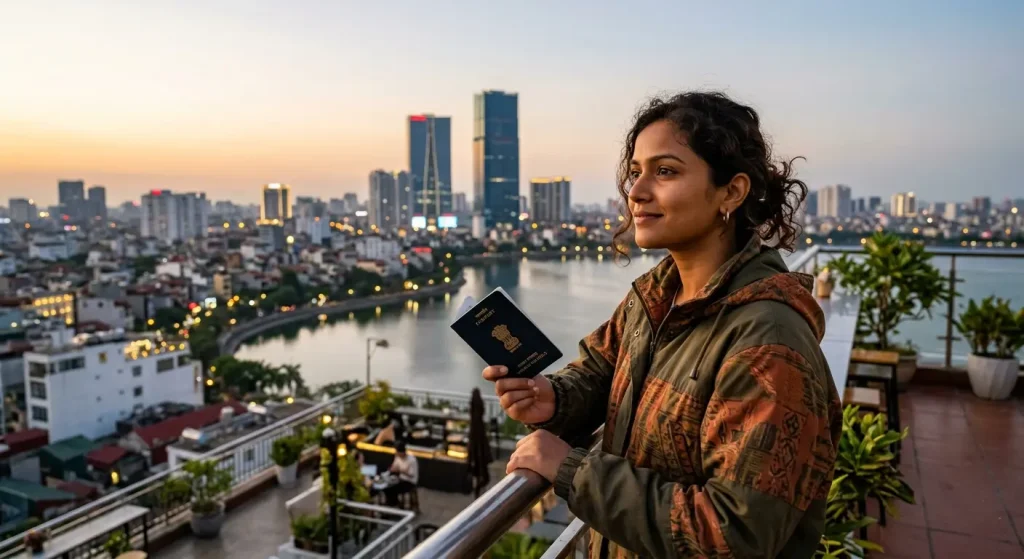
Vietnam Emerges as Preferred Destination for Indian Travelers
Back when the Champa Kingdom thrived, links between India and Vietnam were already strong culture flowed alongside goods. These days? More travelers are crossing that old bridge, just for vacation. Thanks to budget airlines, hopping on a plane from big Indian cities is simpler than ever. Four hours in the air, then you’re there no fuss.
Now that most applications are handled online, Vietnam’s government has adjusted its visitor permit process for Indian travelers due to rising demand. Driven by the country’s wider push toward tech-based services, the change supports goals to welcome around 18 million foreign guests each year. This digital shift has made the Tourist visa application India to Vietnam the primary method for entry.
Types of Vietnam Visas for Indian Citizens
Got plans to travel? First things first figure out the right visa type for your trip. By 2026, Indians can choose among three main options for their Tourist visa application India to Vietnam:
1. The 90 Day E-Visa (Recommended)
Most people find this option fits their needs perfectly. Stays can last as long as three months, depending on the visit. One entry works just as well as several, choice depends on plans.
- Perfect if: You’re exploring a new place, meeting up with people you know, or handling quick work talks.
- Pros: Online only no extra charge when arriving by plane. Works whether coming by boat, car, or foot. Getting it done without paperwork at borders.
2. Visa On Arrival (VOA)
Even if the E-visa gets picked first, travelers might still fall back on the VOA when things go sideways. Before boarding any flight, someone has to secure a “Visa Approval Letter” through an authorized provider to complete this Tourist visa application India to Vietnam variant.
- Last-minute trips? This option fits when time runs short usually four to eight hours to sort everything out. Processing moves fast, so delays stay minimal.
- Cons: Access works solely through global air terminals. Not every gateway accepts it.
3. Embassy Sticker Visa
Should someone lean toward classic routes or need more than three months the diplomatic offices in New Delhi, Mumbai, or Bengaluru still serve that purpose.
- Perfect if: You’re settling in for months, maybe working remotely or visiting family. Not really made for quick sightseeing trips.
What You Need for a Tourist visa application India to Vietnam
Wrong details can sink your chances. Getting a Vietnam tourist visa from India right the first time means lining up paperwork that matches what officials expect think proof of plans, cash on hand, return tickets. Messy forms get tossed aside fast.
Clear dates matter more than you’d guess. A hotel booking shows intent to leave. Bank statements speak louder than promises. Passport validity needs breathing room beyond your trip. Stamped invitations help when they’re legit. Photocopies must mirror originals exactly. Each page turns smoothly if numbered. Officers scan for gaps between jobs or trips. Consistency builds trust without words. Missing pieces invite delays nobody wants.
- Valid Passport: An Indian passport that works is needed. It should stay valid for six months or more after you arrive. Two pages inside must be empty, ready for stamps.
- Passport Photo: A fresh picture, sized 4 by 6 centimeters, shows your face clearly against a plain white backdrop. Facing forward, eyes open but expression calm.
- Bio-Page Scan: A high-resolution JPEG of your passport’s information page is mandatory for the Tourist visa application India to Vietnam.
- Port of Entry: Start at a specific airport. That detail goes right on your visa paperwork. Pick where you arrive like Hanoi’s Noi Bai before submitting anything.
- Payment Method: A working international credit or debit card is needed to cover the processing cost.
Applying for a Vietnam E-Visa from India
Follow this refined 2026 process to secure your travel documents and finalize your Tourist visa application India to Vietnam:
Step 1: Visit the Official Portal
Start at the real E-visa site run by Vietnam’s immigration authorities. Skip look-alike pages that sneak in high charges. These mimic versions often lack the .gov.vn ending check closely before going further.
Step 2: Upload Media
A clear copy of your passport’s information page needs uploading, along with a digital photograph. Watch out for shiny spots on the scanned document artificial intelligence tools often flag those. Blurry pictures tend to get turned down automatically.
Step 3: Filling Out the Detailed Form
Start by sharing your complete name make sure it matches the one on your passport. Your date of birth comes next, written clearly. Include your religion, even if it feels minor. Then add where you plan to stay at first in Vietnam; a hotel address works fine.
Step 4: Pay the Visa Fee
- Single entry: Costs 25 U.S. dollars (approx. 2,100 INR).
- Multiple entry: Costs 50 U.S. dollars (approx. 4,200 INR).
- Keep in mind, payments happen in U.S. dollars check that your Indian bank card allows overseas spending.
Step 5: Track and Download Progress
A registration code will come your way. Store it somewhere secure. Wait three to five workdays before looking up your Tourist visa application India to Vietnam progress. When the system shows “Granted,” get the PDF file ready. Print off no fewer than two copies.
The Phu Quoc Exception: Flying Direct Benefits
Most people dream of white sand beaches when thinking about Phu Quoc. Yet here’s something different Indians need no visa at all for stays under a month. Flying straight to the island? That counts. Even stopping in Vietnam works, so long as you stay airside.
Immigration checks must be skipped entirely. Thirty days pass quietly, just like that. However, if you plan to move to the mainland later, you must still complete a Tourist visa application India to Vietnam before you arrive on the island.
Common Mistakes to Skip When Applying
Some experienced travelers still slip up now and then during their Tourist visa application India to Vietnam. The main causes of slow E-visa processing include:
- Name Order Errors: Got more than one middle name? Match every detail to what’s printed in the passport’s lower section the part machines scan. Spelling must line up perfectly.
- Wrong Arrival Point: Showing up at Hanoi’s airport when your visa specifies Ho Chi Minh City could block your way in. Land at the wrong terminal entrance and officials might turn you back.
- Unsuitable Photos: A blurry snapshot? That invites trouble. Selfies often lead straight to rejection notices. A cluttered backdrop distracts officials want clarity.
Frequently Asked Questions
How long does the Tourist visa application India to Vietnam take to process?
For Indian travelers, getting a Vietnam tourist visa usually takes about three to five working days. When busy times hit say December or Tet it might stretch to seven. Better land your application two weeks prior to flying, just in case Vietnamese public holidays slow things down.
Can I extend my Vietnam tourist visa from within the country?
Right now, under 2026 rules, you can’t stretch an E-visa once inside the country. Staying past the allowed 90 days? You’ll need what people call a visa run. That means leaving Vietnam say, for Cambodia or Laos then coming back in. A new Tourist visa application India to Vietnam, arranged while out of the country, lets you restart the clock.
Is travel insurance mandatory for a Vietnam visa?
Should things go sideways at the border, having medical coverage might save some headaches even though India’s visitors to Vietnam aren’t always asked for it. A policy covering at least $10,000 helps when facing sudden illness, including coronavirus surprises. Many travelers skip it, yet those who carry insurance tend to relax more once they land.
What is the difference between single entry and multiple entry?
Once you exit Vietnam, a single-entry visa stops working. Heading to Angkor Wat in Cambodia? Coming back into Vietnam means needing a different kind of entry permit. Pick incorrectly, and border guards might block your way. Getting the right document during your Tourist visa application India to Vietnam saves long waits under the hot sun.
Do children and babies need their own visa?
Sure. Each person traveling needs their own visa that goes for babies too, as long as they hold individual passports. When a youngster appears in a parent’s document (not common with current Indian passports), sometimes they can go under the adult’s request. Still, most of the time it works like this: one passport means one visa.
Conclusion: Ready for Vietnam?
That last bit of paperwork for an Indian citizen heading to Vietnam? It’s just around the corner. Picking the 90-day E-visa helps so does confirming where you’re allowed to enter. A current passport seals the deal. Most of the work for your Tourist visa application India to Vietnam is already behind you.
Warm smiles greet you like home, yet streets glow under paper lanterns unlike anything back there. Skip the hassle visas won’t slow you down. Start now. Visit the official website today gather your papers, sort everything out your journey begins here.